From European framework to national application
While many EU-funded projects conclude with reports and tools, some continue to evolve.
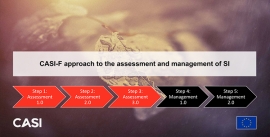
BOLERO is one such case. Developed as a continuation of the CASI project, it represents a deliberate effort to translate the CASI Framework (CASI-F) into a national context, with a particular focus on Italy and the Lombardy region.
Led by the University of Milano-Bicocca, in collaboration with Futures Diamond, the platform adapts a European methodology into a practical tool for local innovators, policymakers, and organisations working on sustainability.
A platform for assessment, visibility, and growth
At its core, BOLERO is more than a database. It is a web-based platform designed to support the full lifecycle of sustainable innovation.
It enables users to:
-
position their innovation against similar initiatives
-
assess strengths and areas for improvement
-
develop action plans and roadmaps
-
and connect with a broader ecosystem of partners
In doing so, it brings together assessment, management, and diffusion into a single, accessible environment.
The platform already includes hundreds of sustainable innovation cases, spanning sectors such as energy, manufacturing, mobility, and digital health, with a strong focus on SMEs and industry.
Extending CASI through localisation
What makes BOLERO particularly significant is its role in extending the CASI legacy.
Rather than simply replicating the original framework, BOLERO adapts it to national priorities, policy contexts, and innovation ecosystems. It builds on the same foundations – foresight, participation, and responsible innovation – while making them directly applicable to Italian stakeholders.
The bilingual nature of the platform further reinforces its accessibility, bridging local engagement with international relevance.
From European research to regional impact, BOLERO shows how sustainable innovation frameworks can evolve beyond projects into practical tools for change.
f you would like to explore the platform and its growing database of initiatives, visit: